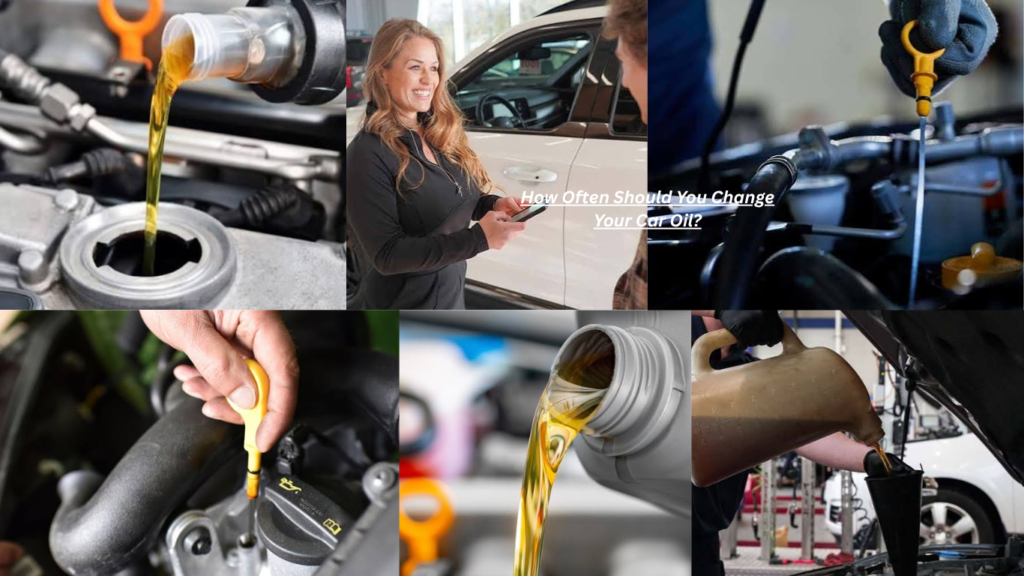

Few questions in car ownership cause as much confusion as this one. A mechanic says 5,000. The owner’s manual says 10,000. A quick-lube shop has a sticker on your windscreen with yet another number. Meanwhile, your dashboard might be telling you that you still have 40 percent of your oil life left.
So who is right? Once you understand how oil works and what affects its life, you can make a confident decision and stop wasting money on changes you do not need, or, worse, skipping changes you do.
This guide explains how often you should change your car oil, why the old rules have changed, what affects the interval, and how to tell when your oil needs attention. Recommendations vary between vehicles and countries, so always treat your owner’s manual as the final authority, and talk to a qualified mechanic if you are unsure.
What Engine Oil Actually Does
To understand why oil changes matter, it helps to know what the oil is doing inside your engine. It has several jobs at once.
Lubrication. Inside an engine, metal parts move against each other thousands of times per minute. Oil creates a thin film between them so that they slide instead of grinding.
Cooling. Oil carries heat away from hot areas, such as the pistons and bearings, that the coolant cannot reach directly.
Cleaning. Oil contains detergents that hold soot, dirt, and combustion by-products in suspension so they do not form deposits. The oil filter then traps much of this material.
Protection. Additives protect metal surfaces from rust and corrosion, and help prevent wear when the engine is under stress.
Sealing. A thin layer of oil helps seal the gap between the piston rings and cylinder walls, which supports compression and efficiency.
Over time, oil loses its ability to do all of this. Heat breaks down its molecules. Additives get used up. Fuel, moisture, and combustion by-products contaminate it. Eventually, old oil becomes thick, dirty, and ineffective, and the engine pays the price.
The Old Rule: Every 3,000 Miles
For decades, the standard advice was to change your oil every 3,000 miles, or about 5,000 kilometers, or every three months. Older engines had looser tolerances and less precise fuel systems, and oils were simpler and broke down faster.
Today, the situation is very different. Fuel injection and engine management systems are far more accurate, so less fuel and contamination end up in the oil. Oil itself has improved enormously, especially synthetic oils, which resist heat and breakdown far better than the conventional oils of the past.
Many manufacturers now recommend intervals of 7,500 to 10,000 miles, which is roughly 12,000 to 16,000 kilometers, and some go even further under ideal conditions. That said, the right interval is not the same for everyone, and this is where the details matter.
Typical Oil Change Intervals
These are general ranges, not rules. Always check your own manual.
| Oil type | Typical interval (distance) | Typical interval (time) |
|---|---|---|
| Conventional oil | 5,000 to 7,500 km (3,000 to 5,000 miles) | 6 months |
| Synthetic blend | 7,500 to 10,000 km (5,000 to 6,000 miles) | 6 to 12 months |
| Full synthetic oil | 10,000 to 16,000 km (6,000 to 10,000 miles), sometimes longer | 12 months |
Time matters as much as distance. It absorbs moisture, oxidizes, and loses its additives. That is why manuals usually give two limits, for example “10,000 kilometers or 12 months, whichever comes first.” If you drive very little, follow the time limit instead of waiting for the distance.
Types of Engine Oil and How They Affect the Interval
Not all oil is the same. The type your car uses has a major effect on how long it lasts.
Conventional Oil
This is refined directly from crude oil. It is the least expensive option and works fine for older or simpler engines, but it breaks down faster under heat and stress. It generally needs more frequent changes.
Synthetic Blend Oil
This is a mixture of conventional and synthetic base oils. It offers better protection and longer life than conventional oil at a moderate price, making it a good middle ground for some vehicles.
Full Synthetic Oil
Full synthetic oil is engineered at a molecular level to be more uniform and stable. It generally lasts the longest and offers the best protection, especially in turbocharged and high-performance engines. It costs more per change, but longer intervals can offset some or all of that difference.
High-Mileage Oil
This is formulated for engines with a lot of kilometers on them. It contains additives that help condition seals, reduce leaks, and cut oil consumption. It can be useful for older engines, particularly those beginning to burn or leak small amounts of oil.
Viscosity and Specifications
The numbers on the bottle, such as 5W-30 or 0W-20, describe the oil’s viscosity, or thickness, at cold and hot temperatures. Your engine is designed for a specific grade, and using the wrong one can reduce protection and fuel economy. Oil also carries certifications, such as API or ILSAC standards in North America and ACEA or manufacturer-specific approvals in Europe and elsewhere. Your manual tells you exactly which viscosity and specification to use. Follow it.
What Your Owner’s Manual Says
The best starting point is always your owner’s manual. The manufacturer’s engineers know your engine, and the interval they recommend is based on testing. Look for:
- The recommended oil change interval in distance and time
- A separate schedule for “severe” or “special” driving conditions
- The required oil viscosity and specification
- The oil capacity, including the filter
Many manuals list two schedules, one for normal driving and one for severe conditions. Surprisingly, many drivers fall into the severe category without realizing it.
What Counts as Severe Driving?
Manufacturers define “severe” conditions more broadly than most people expect. If any of the following describe your driving, you should follow the shorter interval.
- Frequent short trips. If most of your journeys are under about 8 to 10 kilometers, or the engine rarely reaches full operating temperature, moisture and fuel can build up in the oil. This is one of the most common and most overlooked severe conditions.
- Stop-and-go traffic. Heavy city driving keeps the engine running hot at low speeds with limited airflow.
- Extreme heat or cold. Very hot climates stress the oil, and very cold starts increase wear and contamination.
- Dusty or sandy roads. Dust can overload the air filter and get into the oil.
- Towing or carrying heavy loads. This increases engine load and temperature.
- Mountain driving. Steep climbs put extra stress on the engine.
- Lots of idling. Taxis, delivery vehicles, and cars that spend long periods idling in traffic accumulate wear without covering many kilometers.
- Aggressive or high-speed driving. High revs and sustained high loads break down oil faster.
For severe use, a general rule is to cut the normal interval by roughly a third to a half, or follow the specific severe schedule in the manual.
Oil Life Monitoring Systems
Many modern cars have an oil life monitoring system. Instead of using a fixed interval, the car’s computer estimates how much life remains in the oil, based on factors such as engine temperature, number of cold starts, trip length, revs, and load. It then shows a percentage or a message when a change is due.
These systems are generally reliable, and they are designed to adjust to how you actually drive. If your car has one, trust it, and follow the maintenance reminder. A few tips:
- Reset it after each change. Your mechanic should do this, but check that it was done. Otherwise the system will keep counting from the old oil.
- Do not ignore time limits. Even if the monitor says you have plenty of life left, many manufacturers still recommend changing oil at least once a year.
- Do not wait for zero. Changing the oil when the monitor shows around 10 to 15 percent remaining is sensible and gives you a safety margin.
Special Cases
Turbocharged and Direct Injection Engines
Turbocharged engines run hotter and place greater demands on oil. The turbocharger spins at extremely high speeds and is lubricated by engine oil, so fresh, high-quality oil is especially important. Direct injection engines can also allow more fuel and soot into the oil. If your engine is turbocharged or direct injection, use the specified synthetic oil, and do not stretch the interval beyond what the manufacturer recommends.
Hybrid Cars
Hybrids still have a petrol engine, so they still need oil changes. In some cases, the engine runs less often, which can lead to condensation and moisture in the oil, so time-based intervals are particularly important. Follow your manual, and do not assume that low engine use means you can skip changes.
Electric Cars
Fully electric cars do not have an engine, so they do not need engine oil changes. They do have other fluids and components that need attention, such as brake fluid, coolant for the battery and electronics, and in some cases gearbox fluid. Follow the service schedule in the manual.
Diesel Engines
Diesel engines produce more soot, and many modern diesels with particulate filters have specific oil requirements, such as low-ash formulations. Using the wrong oil can damage the filter. Always use the oil specified for your diesel engine, and follow the correct interval, which is often shorter for heavy use.
Older and High-Mileage Cars
Older engines may burn or leak oil, so levels should be checked more often. Many drivers of high-mileage cars choose high-mileage oil, and sticking to regular changes becomes even more important as seals and components age.
Cars That Are Rarely Driven
If you only drive a few hundred kilometers a year, change the oil at least once a year, or sooner if the manual says so. Oil ages even when the engine is off.
Cars Under Warranty
If your car is under warranty, follow the manufacturer’s schedule and keep records, including receipts and the oil specification used. Skipping a service or using the wrong oil can give the manufacturer a reason to reject a claim.
Signs That Your Oil Needs Changing
Even if you follow a schedule, it helps to recognize warning signs.
- Dark, dirty oil on the dipstick. Oil darkens naturally as it does its job, so color alone is not always a problem, but gritty, thick, or sludgy oil is.
- Engine noise. Ticking, knocking, or louder-than-normal engine sounds can suggest poor lubrication.
- Oil warning light. If the oil pressure light comes on while driving, stop safely and switch off the engine as soon as possible. This is serious.
- Burning smell. This can mean oil is leaking onto hot components, or the engine is burning oil.
- Blue or gray smoke from the exhaust. This often means the engine is burning oil.
- Reduced fuel economy or performance.
- Overheating. Old or low oil contributes to excess heat.
- A check engine or maintenance reminder.
How to Check Your Oil Level
Checking your oil takes about a minute, and it is worth doing at least once a month and before long trips.
- Park on level ground and switch off the engine. Wait about five to ten minutes so the oil drains back into the sump.
- Open the bonnet, locate the dipstick, and pull it out.
- Wipe it clean with a cloth or paper towel.
- Push it back in fully, then pull it out again.
- Check the oil level against the marks. It should be between the minimum and maximum indicators.
- Look at the oil’s condition. It should be smooth and amber to dark brown. A milky look can suggest coolant contamination, and a gritty feel suggests dirt or metal particles. Both need professional attention.
- If the level is low, add a small amount of the correct oil, wait a minute, and recheck. Do not overfill, which can also cause problems.
Some modern cars do not have a dipstick and instead show oil level on the dashboard. Use the method described in your manual.
What Happens If You Delay Oil Changes
Occasionally pushing an interval by a small amount is unlikely to destroy an engine, but making a habit of it is risky.
- Sludge buildup. Old oil can thicken and form sludge, which blocks oil passages and starves parts of lubrication.
- Increased wear. Worn oil loses its protective properties, so metal parts wear faster.
- Overheating. Degraded oil does not carry heat away efficiently.
- Reduced fuel economy. Dirty, thick oil increases friction.
- Higher emissions.
- Engine failure. In severe cases, parts seize, bearings fail, or the engine can be destroyed. A replacement engine costs thousands, while an oil change costs a small fraction of that.
- Voided warranty. If you cannot show that you followed the schedule, a claim may be refused.
Is It Possible to Change Oil Too Often?
Changing oil too often will not harm your engine, but it is usually a waste of money and resources. If you are changing oil far sooner than your manual recommends, you are probably spending more than necessary and producing extra waste oil. Following the proper interval, adjusted for your driving conditions, is the best approach.
Doing It Yourself or Going to a Shop
Changing Oil at Home
If you are comfortable with basic tools, an oil change can be a satisfying and money-saving job. You need the right oil and filter, a wrench for the drain plug, an oil filter wrench, a drain pan, a funnel, jack stands or ramps, and gloves. The process involves warming the engine slightly, draining the old oil, replacing the filter, tightening the drain plug to the correct torque, and refilling with the correct amount of oil. Dispose of used oil responsibly, and never pour it down a drain or onto the ground. Most auto parts shops and recycling centers accept used oil for free.
Safety is important. Never work under a car supported only by a jack, and let the engine cool enough to avoid burns.
Going to a Workshop
A professional change is quick and convenient, and it usually includes a basic inspection. Choose a shop you trust, and check that:
- They use the oil viscosity and specification your car requires
- They replace the filter and the drain plug washer if needed
- They reset the service reminder
- They give you a receipt that lists the oil used
Be cautious about unnecessary add-ons, such as engine flushes or additives that the manufacturer does not recommend.
How Much Does an Oil Change Cost?
Prices vary widely by country, oil type, and vehicle. Conventional oil changes are the cheapest, synthetic changes cost more, and larger engines that need more oil cost more still. Dealerships generally charge more than independent shops. Rather than looking only at the price per change, think about cost per kilometer. A synthetic change that costs more but lasts twice as long may be the better value.
Common Myths About Oil Changes
Myth: You must change oil every 3,000 miles. This advice is outdated for most modern cars. Follow your manual.
Myth: Dark oil is always bad oil. Oil darkens as it cleans the engine. Condition and mileage matter more than color.
Myth: Synthetic oil causes leaks. Modern synthetic oils are compatible with seals. Leaks are caused by worn seals, not the oil itself.
Myth: Once you switch to synthetic, you cannot switch back. You can use different types as long as they meet your engine’s requirements.
Myth: Topping up is the same as changing. Adding oil restores the level but does not remove contaminants or restore depleted additives.
Myth: Thicker oil gives better protection. The right viscosity is the one the manufacturer specifies. Thicker oil can reduce efficiency and may not flow properly in cold weather.
Myth: Oil does not age if you do not drive. Oil degrades with time even when the car is parked.
Frequently Asked Questions
Is it okay to go a little over the recommended interval?
A few hundred kilometers will rarely cause harm, but do not make a habit of it. Treat the interval as a limit, not a target.
Can I mix different brands of oil?
In an emergency, topping up with a compatible oil of the same viscosity and specification is fine. For regular use, stick to one specification and, if possible, one brand.
Do I need to change the filter every time?
Yes. A new oil filter ensures the fresh oil stays clean. Skipping it means that fresh oil is immediately contaminated by old, saturated filter material.
Should I warm up the engine before changing oil?
A short drive helps the oil flow and drain more completely, but it should not be so hot that it burns you. A few minutes of running is enough.
What if my car uses oil between changes?
Some oil consumption is normal, particularly in older and turbocharged engines. Check the level regularly and top up as needed. If consumption suddenly increases, have the engine inspected.
How long can oil sit in a car that is not being driven?
Oil can age in as little as six to twelve months. If a car has been parked for a long period, change the oil before using it regularly.
A Simple Plan to Follow
If you want a practical summary, follow these steps:
- Find your manual’s recommended interval, both in distance and time.
- Check whether your driving counts as severe, and shorten the interval if so.
- Use the oil viscosity and specification your car requires.
- If your car has an oil life monitor, use it, but do not exceed the time limit in the manual.
- Check your oil level monthly and before long trips.
- Replace the filter at every change.
- Keep receipts and records.
- Act on warning signs immediately.
Final Thoughts
So, how often should you change your car oil? For most modern cars using synthetic oil, somewhere between 10,000 and 16,000 kilometers or once a year is typical, while older engines or those using conventional oil may need changes every 5,000 to 7,500 kilometers. If you do lots of short trips, drive in heavy traffic, tow, or live in extreme climates, shorten that interval. The best answer, however, is always the one in your owner’s manual, adjusted for how you really drive.
The old 3,000 mile rule is no longer needed for most vehicles, but the principle behind it is still valid: clean oil protects your engine. Regular changes are one of the cheapest and most effective ways to keep a car reliable, efficient, and valuable. Check the oil, follow the schedule, use the right product, and your engine will reward you with many years of trouble-free driving.


iyvhppeuplztwmhtgnywfjrnmlujpt